
Preventive Maintenance: A Smarter Approach to Laboratory Equipment
Preventive maintenance helps laboratories identify potential equipment issues early and develop a more organized approach to equipment servicing and management.
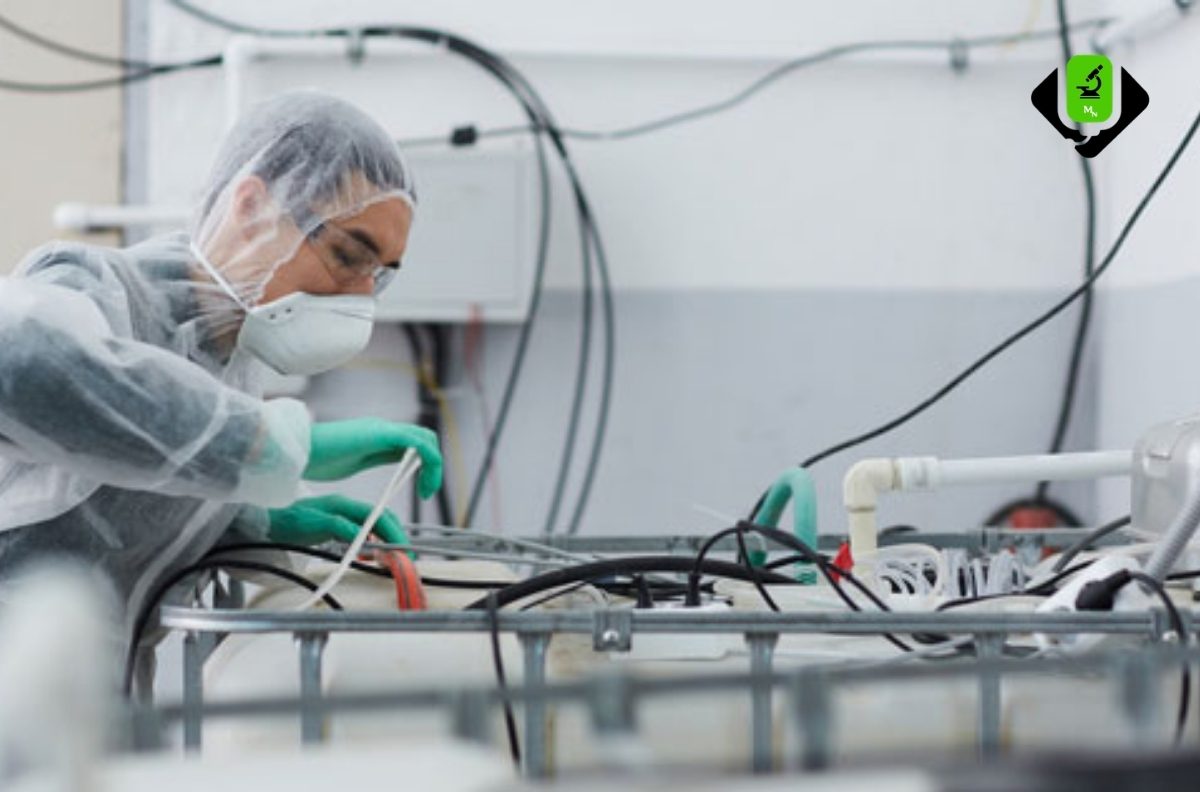
Preventive Maintenance: A Smarter Approach to Laboratory Equipment
Equipment problems are often easier to manage when they are identified early. This is one of the reasons preventive maintenance is an important part of laboratory equipment management.
Rather than waiting for equipment to fail, preventive maintenance focuses on planned inspections, servicing and monitoring.
What Is Preventive Maintenance?
Preventive maintenance is a planned approach to maintaining equipment.
Instead of servicing equipment only after a problem occurs, laboratories can establish regular maintenance schedules based on equipment requirements and usage.
This provides a structured way to monitor equipment condition.
Why Is It Important?
Early Identification of Problems
Regular inspections can help identify unusual sounds, performance changes, worn components or other signs that equipment may require attention.
Identifying such issues early can make servicing more manageable.
Better Planning
Unexpected equipment problems can be disruptive. Planned maintenance allows laboratories to schedule servicing rather than dealing with every issue as an emergency.
Improved Equipment Management
Maintenance records provide useful information about equipment history.
Keeping track of inspections, servicing and repairs can help laboratories understand equipment performance and plan future maintenance requirements.
Creating a Maintenance Schedule
A practical maintenance schedule can include:
Daily checks
Basic cleaning, visual inspection and identification of unusual operating conditions.
Periodic checks
More detailed inspection and servicing according to equipment requirements.
Professional servicing
Technical inspection, repairs or maintenance carried out by qualified personnel when necessary.
Maintain Proper Records
Every maintenance activity should ideally be recorded.
A simple record can include:
- Equipment name
- Date of inspection
- Maintenance performed
- Issues identified
- Parts replaced
- Next scheduled maintenance
Good records make it easier to track the condition of equipment over time.
Conclusion
Preventive maintenance is an organized way to manage laboratory equipment. By monitoring equipment regularly and addressing potential issues early, laboratories can work toward more dependable operations.
Medinostic India provides diagnostic solutions and technical support for laboratories, hospitals and clinics, helping customers manage their equipment requirements more effectively.
Recently Added Blogs
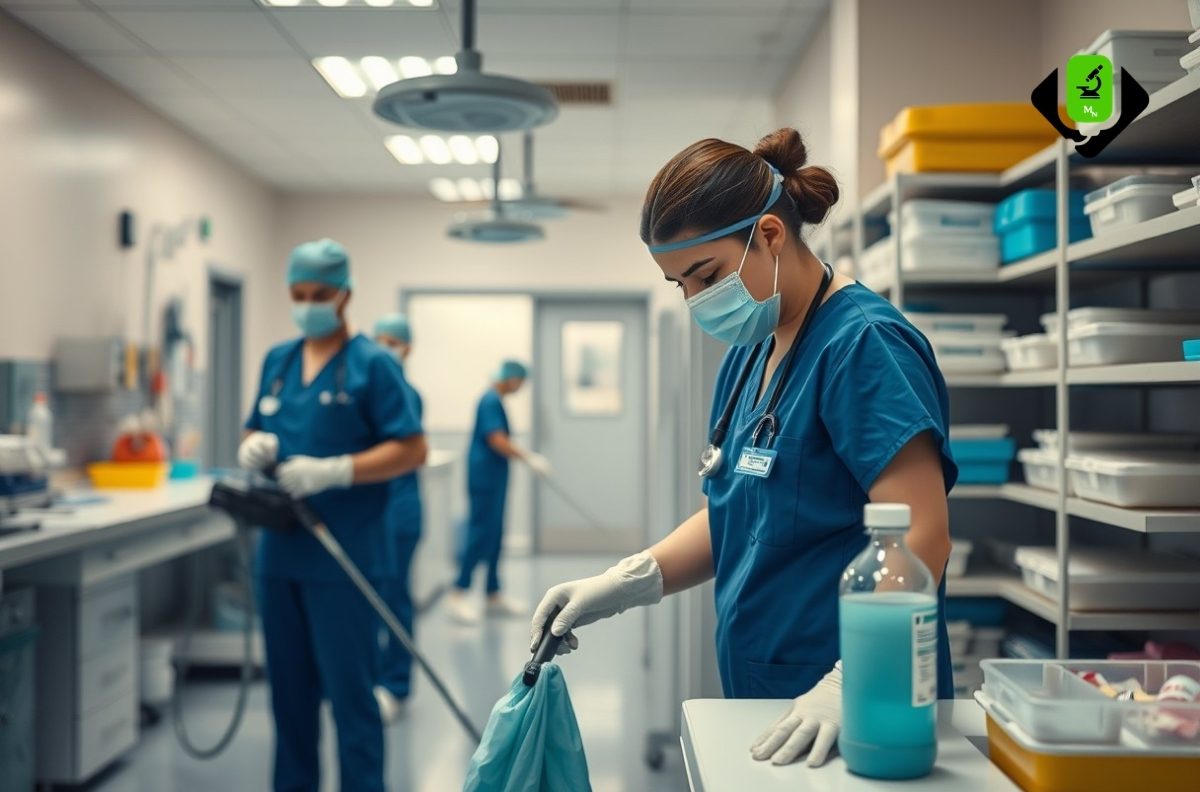
Why Regular Laboratory Equipment Maintenance Matters
Regular maintenance of laboratory equipment can help support reliable operations, reduce unexpected interruptions and keep diagnostic workflows running smoothly.
Read Article →
How to Choose the Right Diagnostic Equipment for Your Laboratory
Selecting the right diagnostic equipment requires consideration of laboratory requirements, workflow, reliability, technical support and long-term operational needs.
Read Article →